
Starting a trading business in Dubai usually begins with strong momentum: supplier discussions, product ideas, maybe even early customer interest. Then comes the licensing stage, and things suddenly feel less clear. A commercial trade license isn’t just a formality; it determines what you’re legally allowed to trade, where you can operate, and how easily you can expand later. Before moving forward, most founders want practical clarity. What activities does this license truly cover? What approvals might be required? And what will the real cost look like beyond the basic fee? Let’s walk through it in simple, realistic terms.
What a Commercial Trade License Really Covers
In simple terms, this license is for businesses that deal with goods.
If your company is:
- Buying products
- Selling products
- Importing items into the UAE
- Exporting goods internationally
- Distributing products locally
You’re in commercial license territory. It doesn’t matter whether you’re trading electronics, food items, textiles, construction materials, or automotive parts. If physical goods are involved, you’re looking at a commercial setup. That’s the foundation.
General Trading vs Specific Trading: A Decision That Matters
Here’s where many founders hesitate.
Do you apply for a general trading license or a specific product license?
- A general trading license gives flexibility. You can trade multiple product categories under one umbrella. This works well if your business model is evolving or diversified.
- A specific trading license is more focused. For example, if you only plan to deal with food products or electronics, your license reflects that category.
The difference isn’t just administrative. It affects:
- The approvals required
- The renewal cost
- Your ability to expand later without modifying your license
Many business owners underestimate this decision at the beginning and pay for amendments later.
Dubai Commercial License Requirements: What’s Actually Needed

Let’s remove the complicated language and look at this practically. If you want a commercial license in Dubai, you will need:
1. Your Business Structure
Most trading businesses register as Limited Liability Companies. It’s common because it separates personal and business liability. That’s important when goods, suppliers, and payments are involved.
Other structures exist, but for trading, LLC is a popular route.
2. Trade Name Approval
Choosing a name sounds creative. In reality, it’s regulated.
The name:
- Must be unique
- Cannot violate public guidelines
- Should align with your activity
You’d be surprised how many applications get delayed simply because the name doesn’t meet guidelines.
3. Office Space Is Not Optional (Mainland)
If you’re setting up on the mainland under a commercial license UAE, you need a physical office. This is where budgeting often shifts.
Office rent can sometimes exceed the license fee itself, depending on location and size. That’s why calculating the real commercial license cost Dubai requires looking beyond just government fees.
4. Approvals: When They’re Required
Not every trading business needs extra approval. But some do.
If you’re dealing in:
- Food items
- Medical supplies
- Cosmetics
- Chemicals
- Regulated goods
You’ll need clearance from the relevant authority before the license is issued. This step is not meant to complicate things. It ensures safety and compliance.
How Much a Commercial Trade License Really Costs

People often expect a fixed number. There isn’t one.
The commercial license cost Dubai depends on:
- Type of trading activity
- Whether it’s general or specific
- Office size and location
- External approvals
- Administrative charges
A basic commercial license may start around AED 12,500-AED 25,000+ annually in government setup fees, depending on whether it is a mainland or free zone. But once you add office rent and possible approvals, the full setup cost becomes clearer.
The smartest founders don’t ask, “What’s the cheapest option?”
They ask, “What structure supports my growth?”
How to Choose the Right Activities for Your Commercial License
Your selected business activities commercial license defines what you are legally allowed to do.
If you register under electronics trading, you cannot suddenly import food products without amending your license.
That’s why clarity at the beginning saves time and money later.
Think ahead:
- Will you expand product categories next year?
- Will you move into distribution or wholesale?
- Will you import directly or buy locally?
Your license must reflect your business roadmap, not just your starting point.
How to Decide Between Mainland and Free Zone Licensing
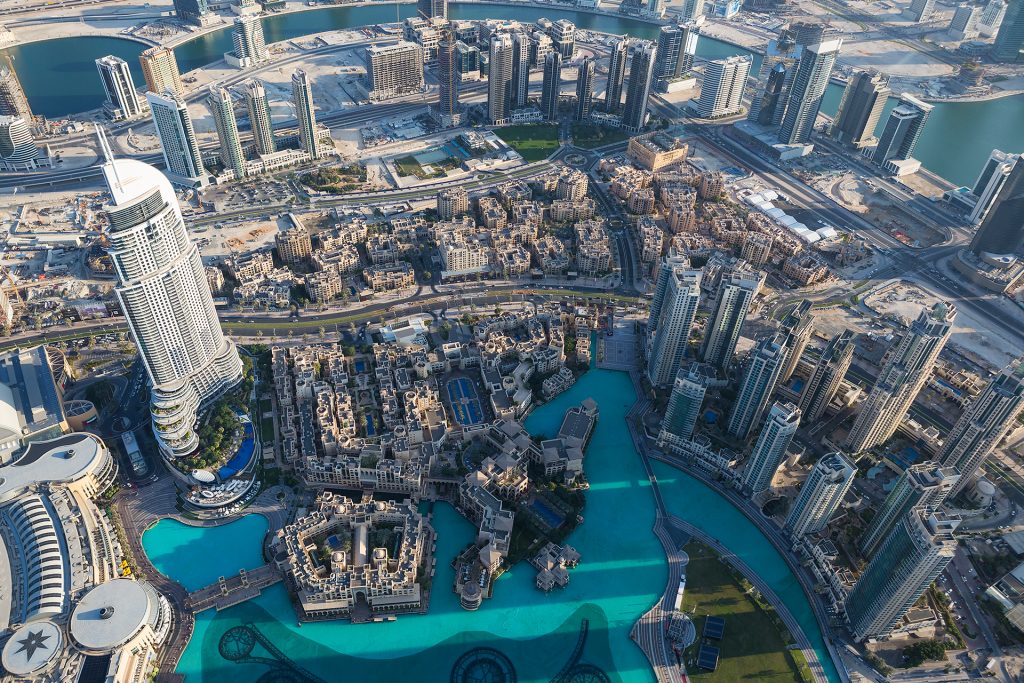
The main difference between mainland and free zone licenses lies in where and how you can operate. A mainland license allows you to trade directly within Dubai’s local market and across the UAE without restrictions.
A free zone license, on the other hand, is designed for companies that primarily operate internationally or within the free zone itself. Choosing the right option depends on your target market, operational needs, and expansion plans.
What Founders Often Realize Too Late?
After years of observing setups, a pattern appears:
- Some choose the wrong activity to save cost
- Some underestimate office requirements
- Some forget to account for renewal costs
- Some rush approvals without checking product classifications
None of these mistakes are dramatic, but they slow momentum.
A commercial trade license in Dubai is not just a document to “get done.” It’s the legal backbone of your trading operation.
Why This License Matters More Than It Looks
With the right commercial license, you can:
- Open a corporate bank account
- Sponsor employee visas
- Sign supplier agreements
- Import goods legally
- Build credibility in the market
Without it, none of that moves forward.
Why Founders are Choosing Dart?
Setting up a trading company in Dubai involves more than submitting forms. It requires selecting the right activity, anticipating approvals, and understanding the full commercial license cost in Dubai before committing.
Dart supports founders through each stage – from identifying the correct business activities to ensuring all Dubai commercial license requirements are handled correctly. Our team of experts provides end-to-end guidance to help you set up your business in Dubai smoothly and efficiently.
Frequently Asked Questions – Commercial Trade License
It allows you to legally trade goods, including importing, exporting, retail, wholesale, and distribution activities within Dubai and internationally.
Yes, mainland companies must lease and register office space as part of the licensing process.
Yes, if you apply for a general trading license. Specific licenses limit you to defined product categories.
Only certain regulated goods like food, medical products, or chemicals require additional authority approvals.
If documents are ready and no special approvals are needed, it can be completed within a few working days.
Leave a Reply